
United States ↔ South Korea

Korea-America Student Conference
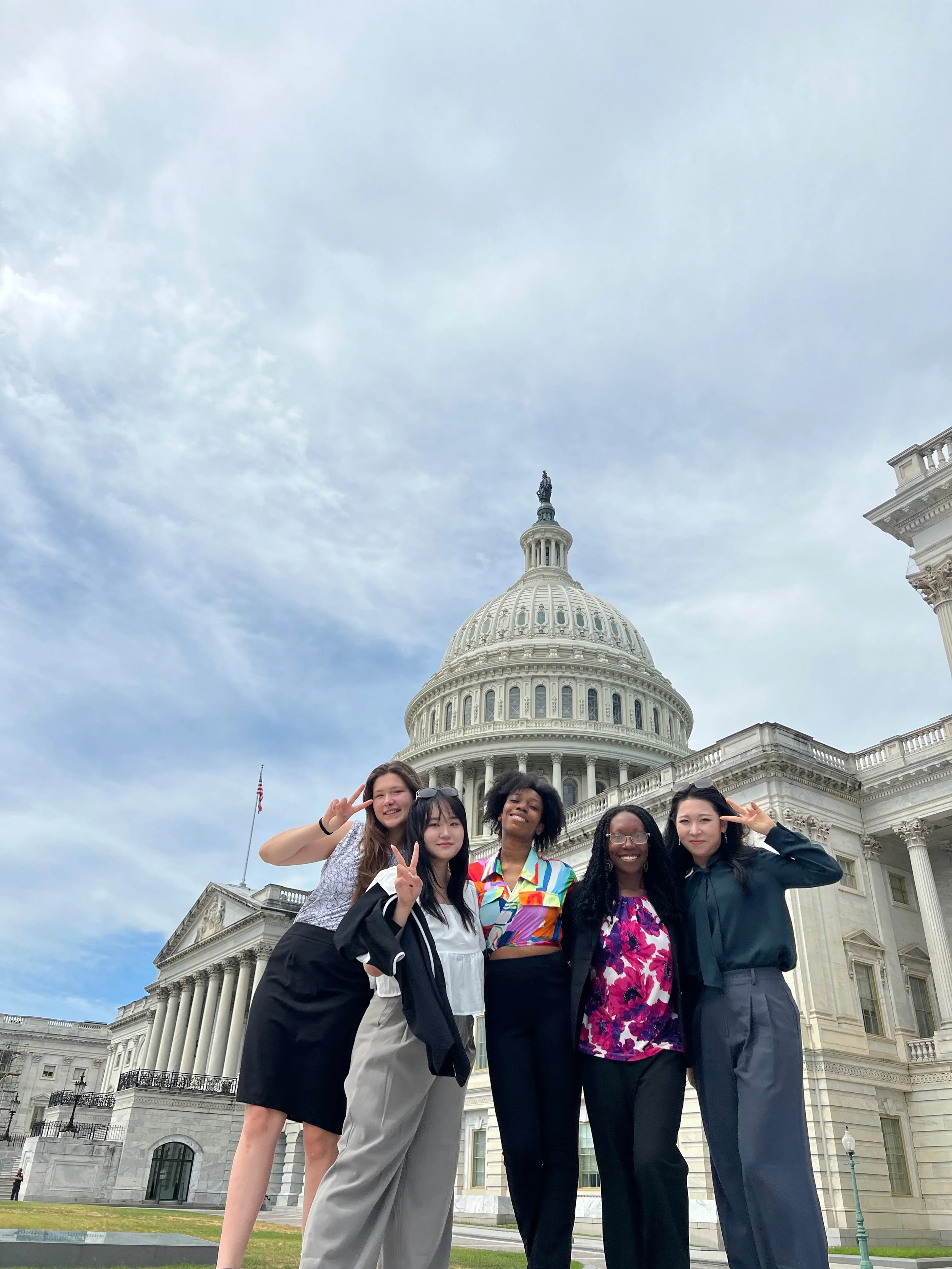
What is the Korea-America Student Conference?
The Korea-America Student Conference (KASC), founded in 2008, is a student-led academic and cultural exchange program that brings together university students from South Korea and the United States. Each year, an equal number of students from both countries are selected to participate.
Delegates spend three weeks traveling, learning, and working together. Through academic discussion, cultural experiences, and leadership training, KASC helps students understand U.S.–Korea relations and develop skills to lead in a global context.
KASC is different from many other programs because it is fully run by students. The conference is planned and led by an elected Executive Committee of students from both countries.
In 2027, KASC 20 will take place in Jeju, Gwangju, and Seoul
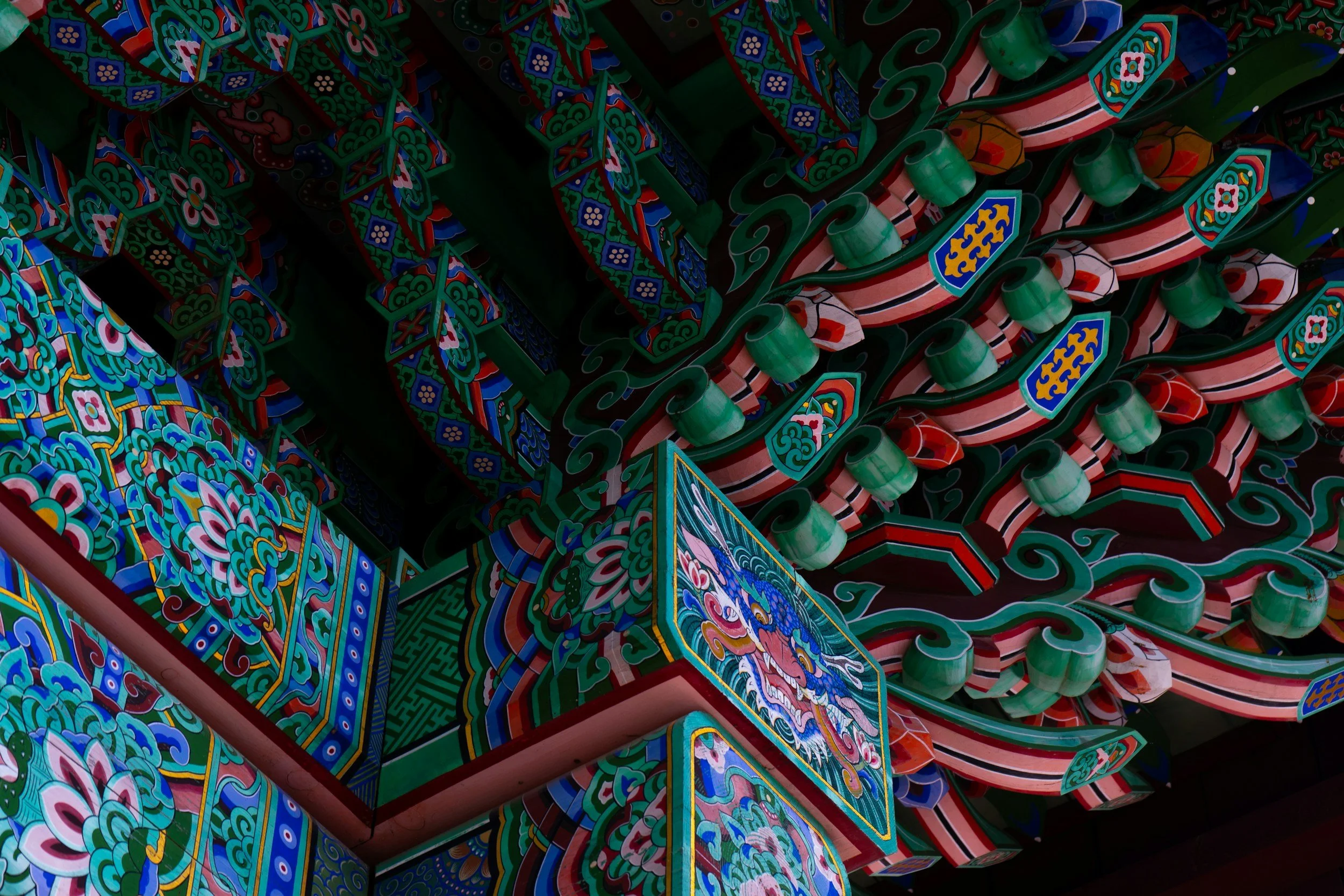
Program Overview
From Adversity to Alliance: Exploring Innovations in the Korea-U.S. Connection
Amid shifting global power dynamics and growing uncertainty, this year’s Korea–America Student Conference invites delegates to explore how the Korea–U.S. relationship can evolve and endure. From security and technology to culture and diplomacy, participants will examine how both nations can adapt to new challenges while strengthening the foundations of mutual trust.
📂 Application Opens: October 10, 2026
📁 Priority Deadline: December 20, 2026, at 11:59 p.m. ET
📁 Application Closes: January 5, 2027, at 11:59 p.m. ET
📆 Conference Dates: June 30 – July 20, 2027
📍 Sites: Jeju, Gwangju, Seoul
Each delegate joins a Roundtable (RT) — a small group focused on one theme related to Korea–U.S. relations. These groups meet throughout the conference to explore their topic through discussion, research, and collaboration. At the end, each group presents its findings at the Final Forum.
Roundtables are led by Executive Committee members and shaped by student perspectives. They combine academic learning with real-world relevance — perfect for students interested in international affairs, social change, or cross-cultural understanding.
Roundtables
-
Led by Quinton Dotzert 🇺🇸
-
Led by Inkyu Kim 🇰🇷
-
Led by Seohyeon Kang 🇰🇷
-
Led by Grace Shields 🇺🇸
-
Led by Junghyun Kim 🇰🇷
Delegate Experiences
-
![]()
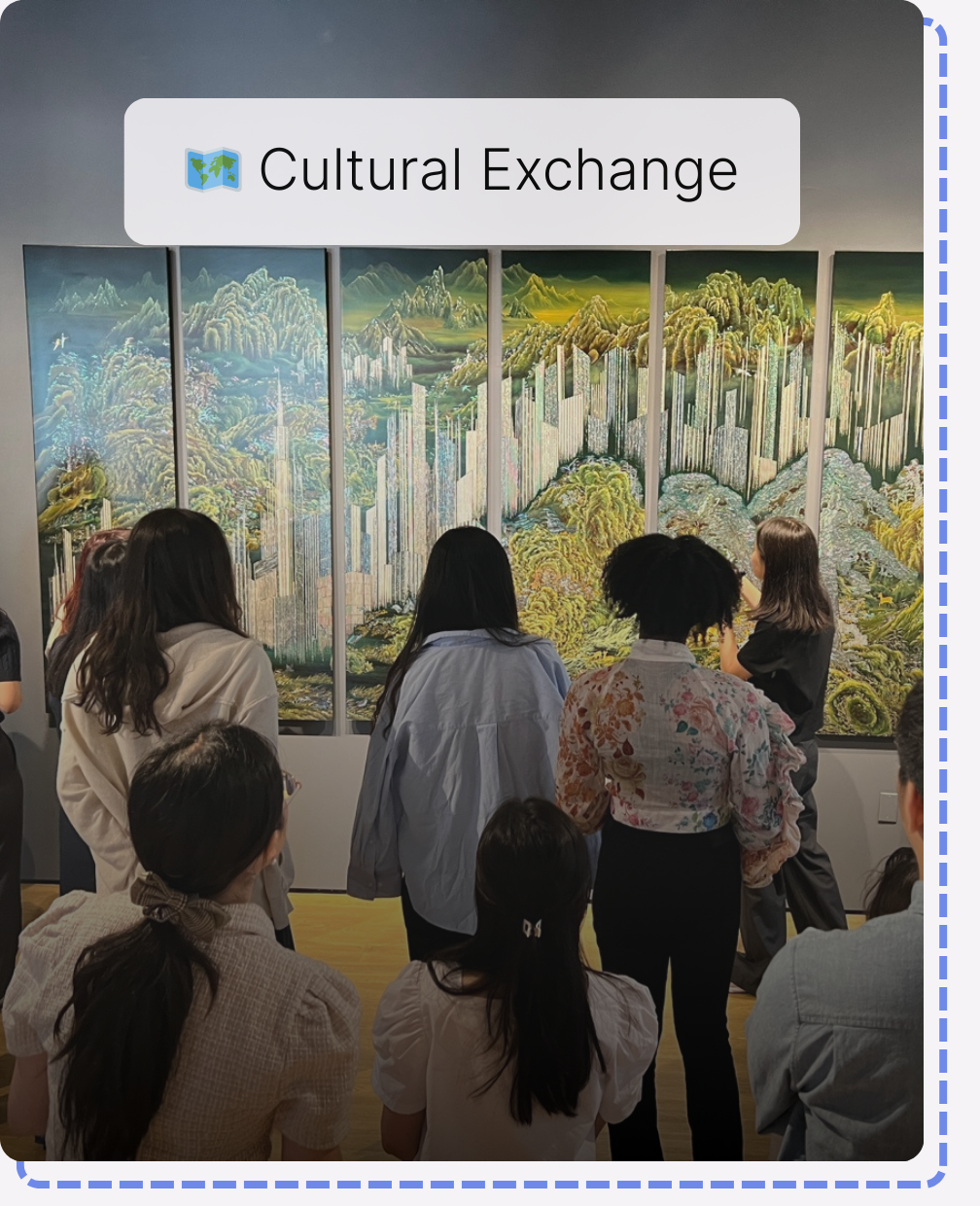
Cultural Exchange
From noraebang nights to neighborhood diners, KASC blends Korean and American daily life. Wherever the conference takes place, delegates share culture, meals, and moments that spark lifelong friendships.
-
![]()
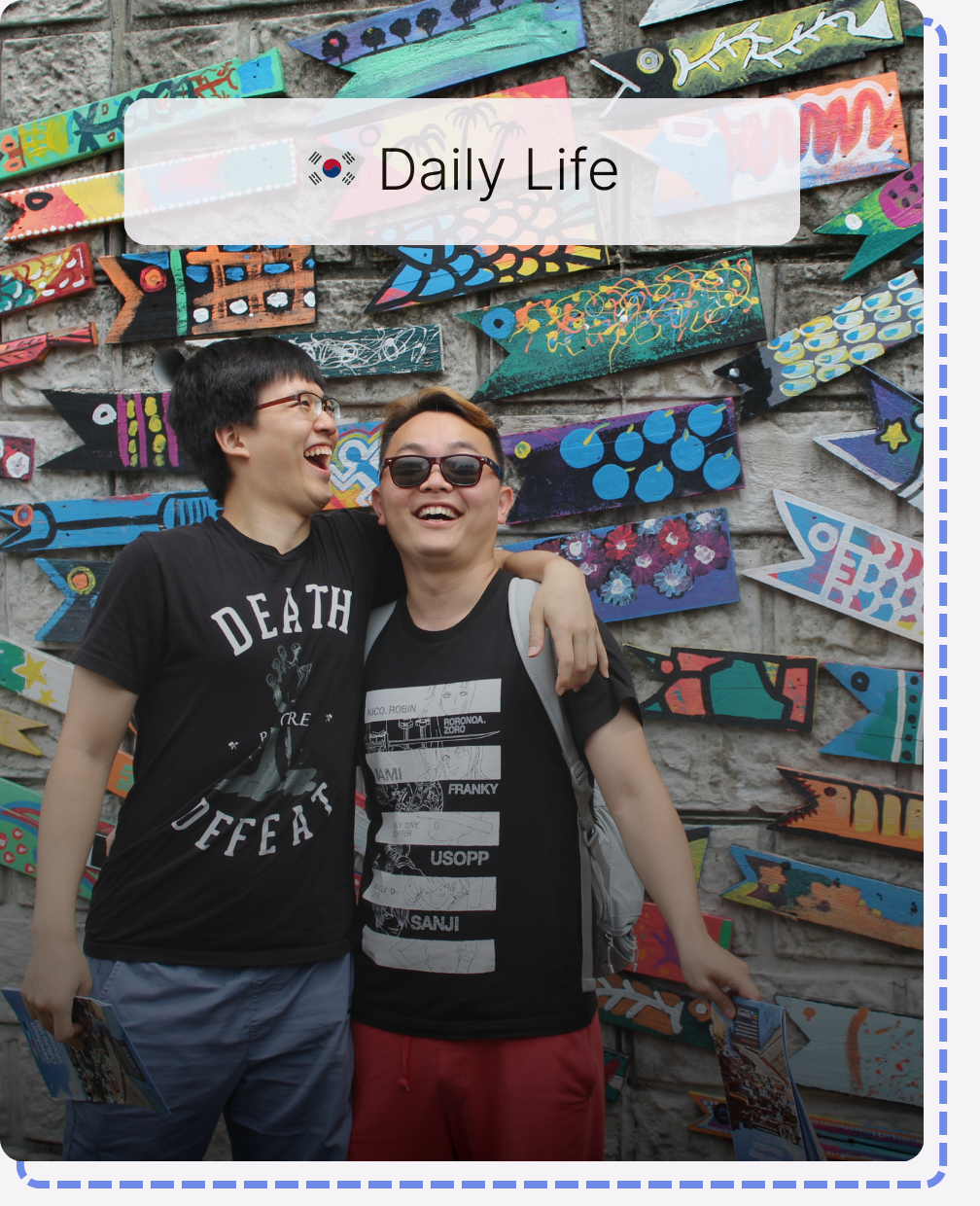
Daily Life
From early morning site visits to late-night roundtable work, your days will be filled with activity. Expect guest lectures, hands-on research, peer discussions, and immersive excursions in each host city.
-
![]()
Housing & Meals
Delegates stay in safe, shared housing. All accommodations are vetted for comfort, location, and accessibility. Meals are provided, and we work to accommodate dietary needs. An ISC staff member travels with each conference to provide support and respond to emergencies.
-
![]()
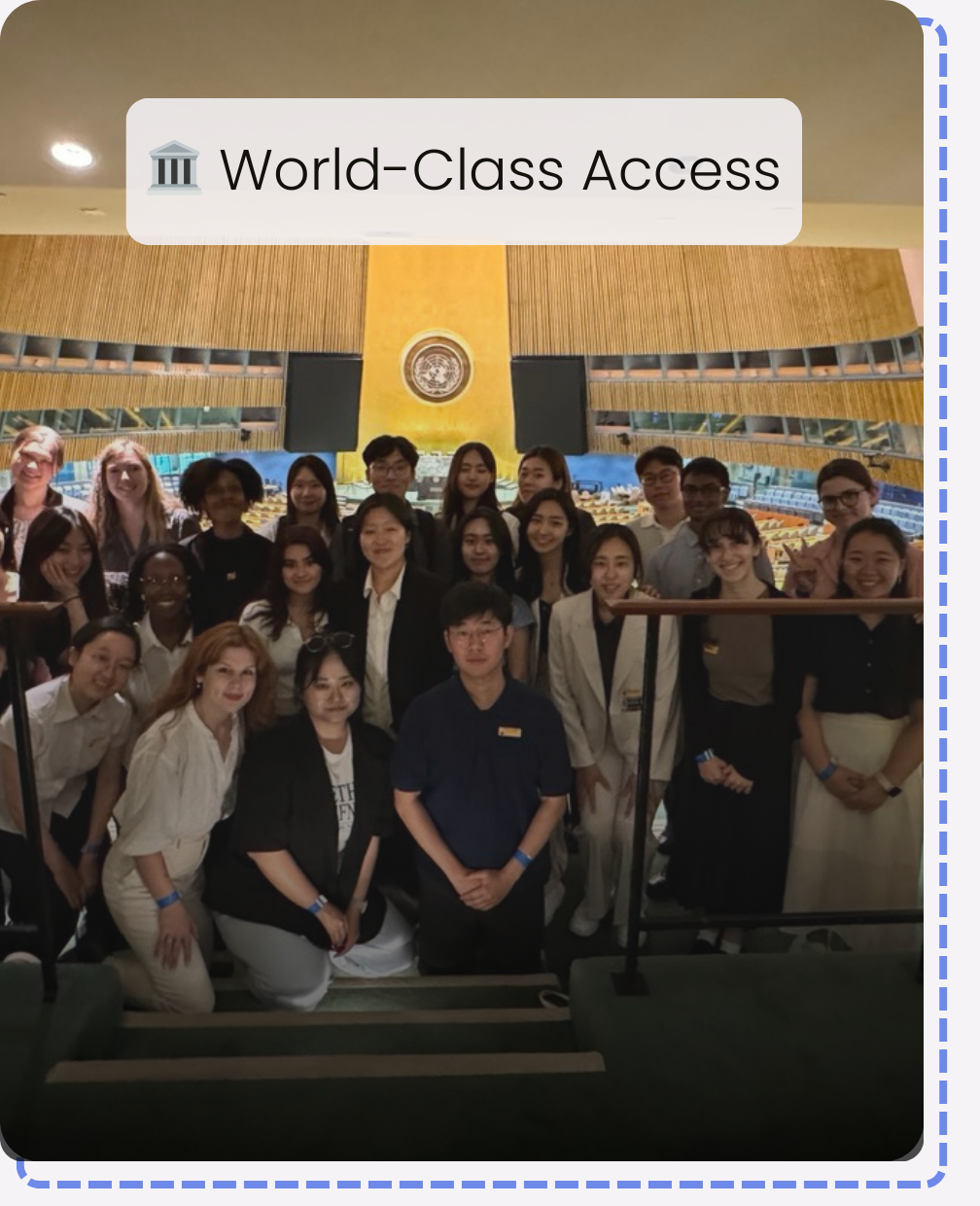
World-Class Access
As a delegate, you’ll gain insider access to ambassadors, professors, journalists, entrepreneurs, and civil society leaders. Delegates often tour government offices, heritage sites, and innovative institutions not typically open to the public.
-
![]()
Academics
KASC is intellectually demanding but not competitive. You’ll be asked to contribute to discussions and collaborate on a final roundtable presentation. No grades — just curiosity, engagement, and mutual respect.
-
![]()
Social Time
Free evenings and group activities balance out the schedule. Expect karaoke nights, museum visits, informal bonding, and time to explore the city with your fellow delegates.



Meet the Executive Committee
Every year, the Korea-America Student Conference is planned and led by students — just like you.
The Executive Committee (EC) is a group of returning delegates from the U.S. and South Korea. They work together across time zones for months to shape the next conference — building the schedule, leading Roundtables, and coordinating logistics. During the program, they serve as on-site leaders and peer mentors.
KASC 20 is brought to life by this year’s dedicated student leaders:
-
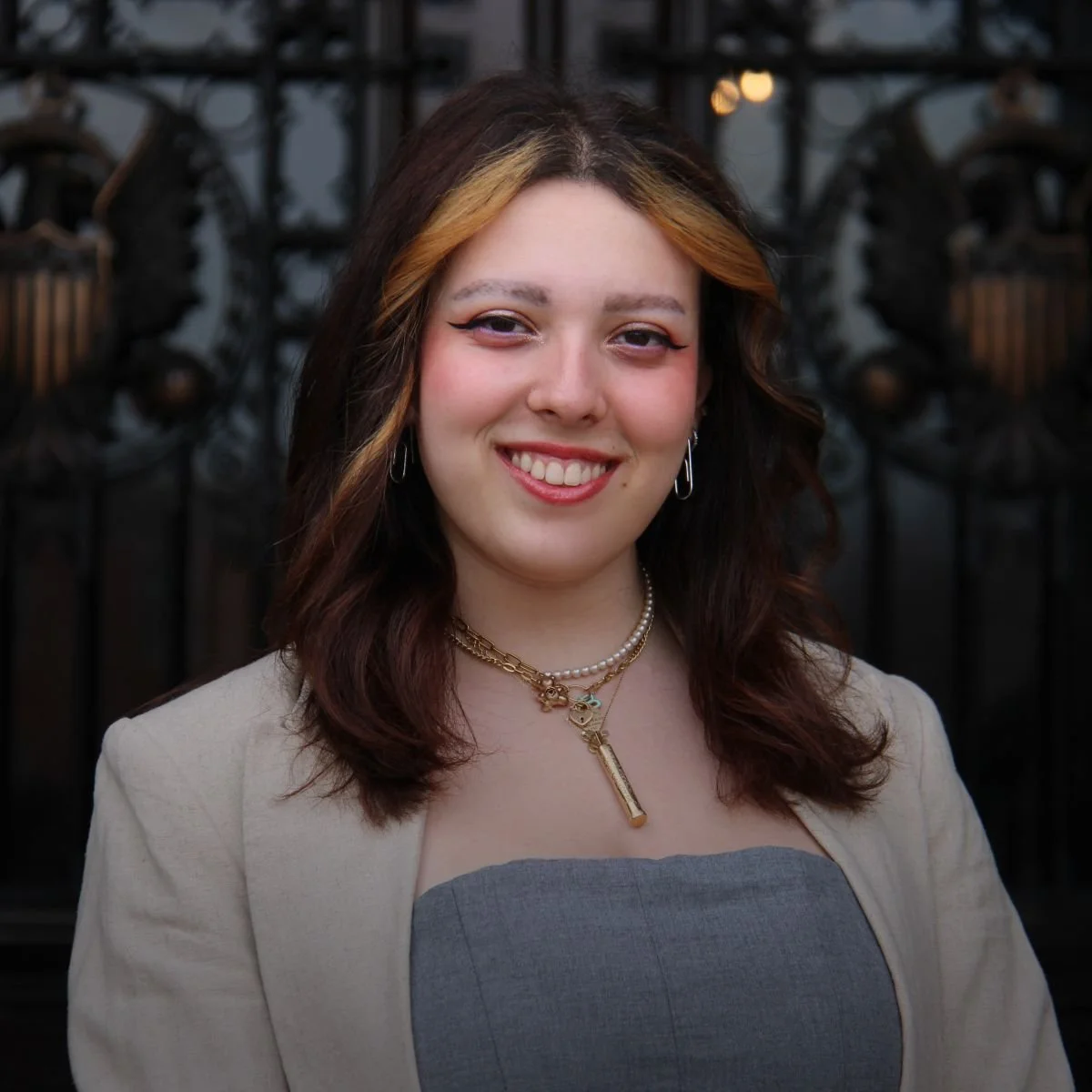
Quinton Dotzert
America Chair & Recruitment Coordinator
University of Kansas
-
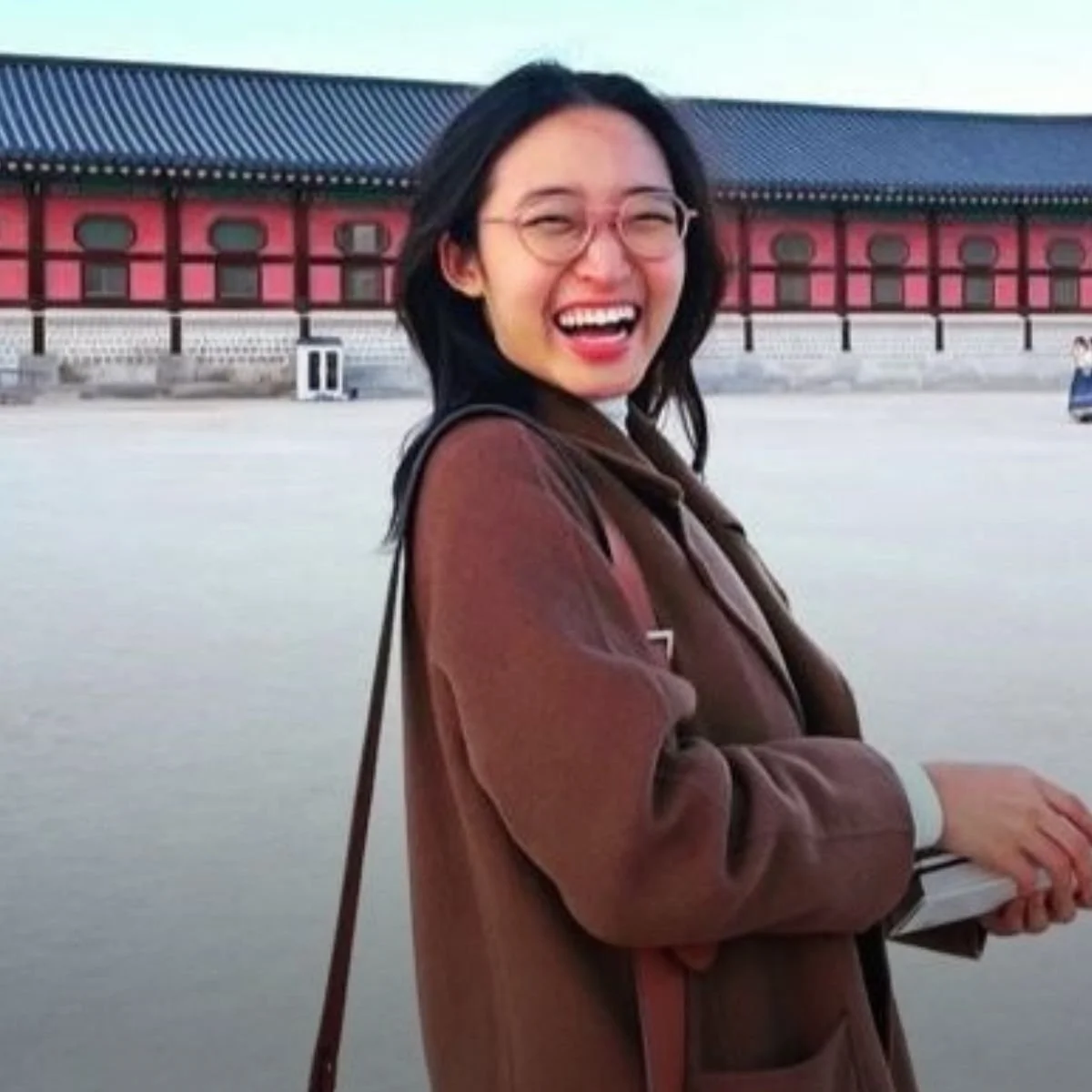
Inkyu Kim
Korea Chair & Korea Outreach Coordinator
Korea University
-
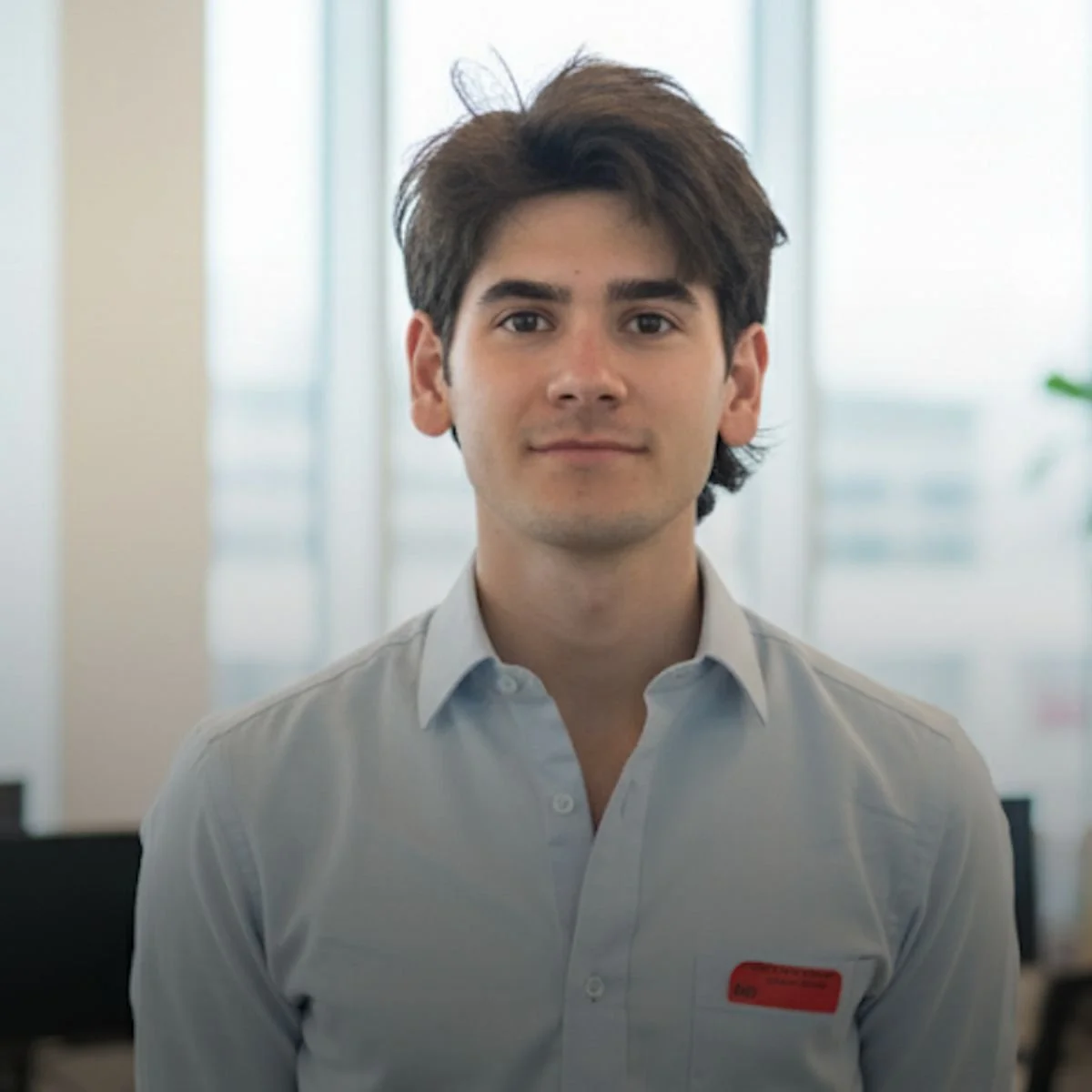
Seohyeon Kang
Treasurer & Logistics Chair
Korea University
-
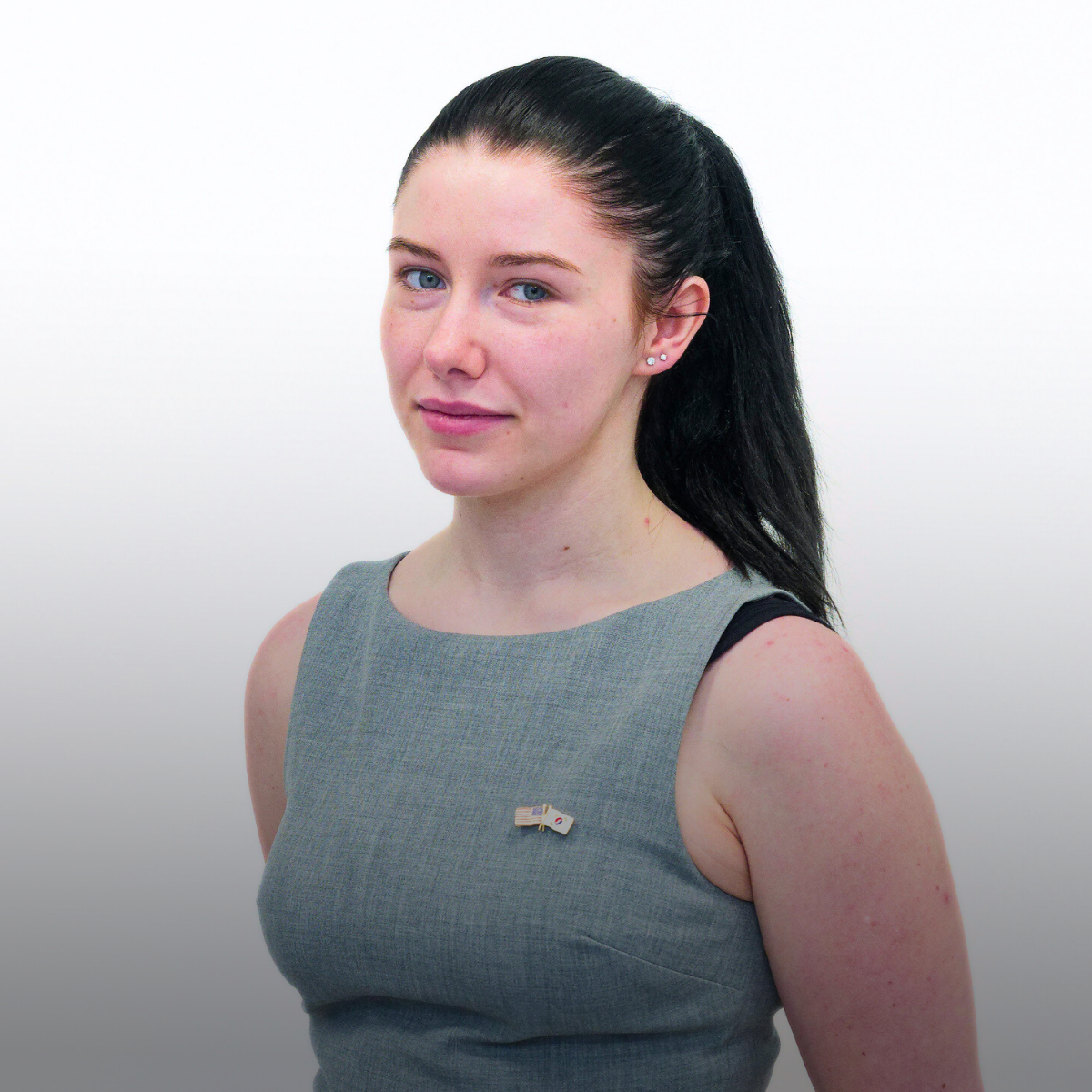
Grace Shields
Marketing Chair & Programming Coordinator
Murray State University
-
Junghyun Kim
Information Chair & Programming Coordinator
Sungkyunkwan University

How to Apply
Eligibility
Open to undergraduate and graduate students who are 18+ years old at the time of the conference.
Must be enrolled at an accredited university either during the application period or in the fall semester after the program concludes.
All majors and fields of study are welcome
English proficiency is required (Korean is not required)
What You’ll Need
– Complete online application
– Unofficial University transcript
– $20 application fee or waiver code
– Optional: Resume or CV, one letter of recommendation, English Certificate
Deadlines
Application Period
Opens: October 10, 2026
Priority Deadline: December 20, 2026 @ 11:59 p.m. ET
Application Closes: January 5, 2027 @ 11:59 p.m. ET
Timeline & Process
After you apply, you may be invited to a short virtual interview within two weeks
Final decisions will be announced in mid-March
If accepted, you’ll be asked to submit a $500 deposit to confirm your spot
Need Help?
Download the Applicant Guide (PDF) for more details.
Have questions? Email KASC@iscdc.org or message us on Instagram @KASC_usofficial.
Info Sessions
Join an online info session to learn more about KASC before you apply:
Couldn’t attend an information session?
Cost & Scholarships
Participation Fee:
Domestic Delegates $2,500 International Delegates $3,000
Thanks to our generous supporters, every accepted delegate automatically receives a scholarship of over $4,000 — bringing the participation fee down from $7,000+ to $3,000.
Your participation fee covers:

What’s not included:

We’re committed to making KASC financially accessible. Each year, 30–50% of delegates receive full or partial funding through ISC’s Plant a Diplomatic Tree Scholarship, from their universities, or from our generous partners. Our Executive Committee is here to support you in securing the resources you need.
Start by visiting our scholarships page for tips to fund your conference. Still have questions? Reach out to the ISC office at info@iscdc.org or contact the KASC Executive Committee directly at KASC@iscdc.org. We’re here to help.
Frequently Asked Questions
-
Yes. The official language of the Conference is English. You do not need Korean language skills to participate.
-
Yes. All university students, including graduate students, are eligible to apply as long as they are enrolled at the time of application.
-
Yes. As long as you are enrolled at the time you apply, you are eligible—even if you will graduate before the conference begins.
-
Yes. If you are studying at a U.S. university on a one-year exchange and have a valid visa, you are eligible.
-
Yes. Returning delegates may apply to attend again or apply to a different ISC conference.
-
Yes. You are welcome to apply again.
-
Yes. You can apply as long as you meet the following criteria for the full program dates: have a valid visa that allows you to travel to and from the host country for that year (the Republic of Korea or the United States), be from a country that does not require a visa, already reside in the country the program takes place in, or are willing to apply and pay for any necessary visas needed for travel.
Please note that ISC cannot sponsor visas, but can write you a letter of support for your application. If you have questions about your visa, contact ISC and your country’s consulate or embassy.
-
After the deadline, selected applicants will be invited to a short virtual interview. Final decisions are typically shared within 1 month of the interview or by early March.
-
Please contact the KASC Executive Committee at kasc@iscdc.org.
-
Yes. ISC offers need-based scholarships to selected delegates. The Plant a Diplomatic Tree Scholarship fully covers the participation fee for one delegate per conference.
Most delegates receive partial or full funding through ISC, their universities, or partner organizations. Visit our scholarships page to learn more
-
Yes. ISC is committed to creating an inclusive and welcoming experience. If you need accommodations — such as accessible housing or anything else — email us at info@iscdc.org as early as possible so we can work with you to provide reasonable accommodation.
-
Most students do not need a visa for short-term travel to South Korea or the United States. However, you are responsible for checking the entry requirements for your nationality for the country the program is taking place in if you do not currently live there.
For travel to South Korea, many travelers will need to complete the Korea Electronic Travel Authorization (K-ETA) before arrival.
For travel to the United States, Korean citizens will need to complete the Electronic System for Travel Authorization (ESTA) before arrival.
ISC will provide guidance and reminders, but you are responsible for securing any required travel documents. ISC cannot sponsor visas.
-
No. All delegates must attend the full program. If you are accepted, you are expected to participate from start to finish.
-
ISC provides group travel health insurance that covers medical for the full program period abroad. All delegates must have their own health insurance in their country of residence. If you would like additional travel insurance coverage, you may purchase it separately.
-
A full packing list will be provided after acceptance. It will include dress codes, tech needs, and cultural etiquette tips.
-
ISC does not currently offer credit, but some universities allow independent study or internship credit. Ask your advisor. If your school offers academic credit, ISC will work with you to provide the necessary paperwork.
-
Yes, reliable internet will be available at all housing and most venues. ISC will provide SIM cards or a stipend to cover mobile data plans.
-
Let us know in your application. We will work to accommodate all needs.
-
Delegates will have some free time built into the schedule, but most days are full. Weekends or evenings may include optional social or cultural activities.