
By Dominique ‘Nikki’ Addison, ChASC 6 Delegate
China America Student Conference, Cohort 6
July 3-24, 2026
Sites: Washington, D.C., Missoula, Kunming, and Beijing
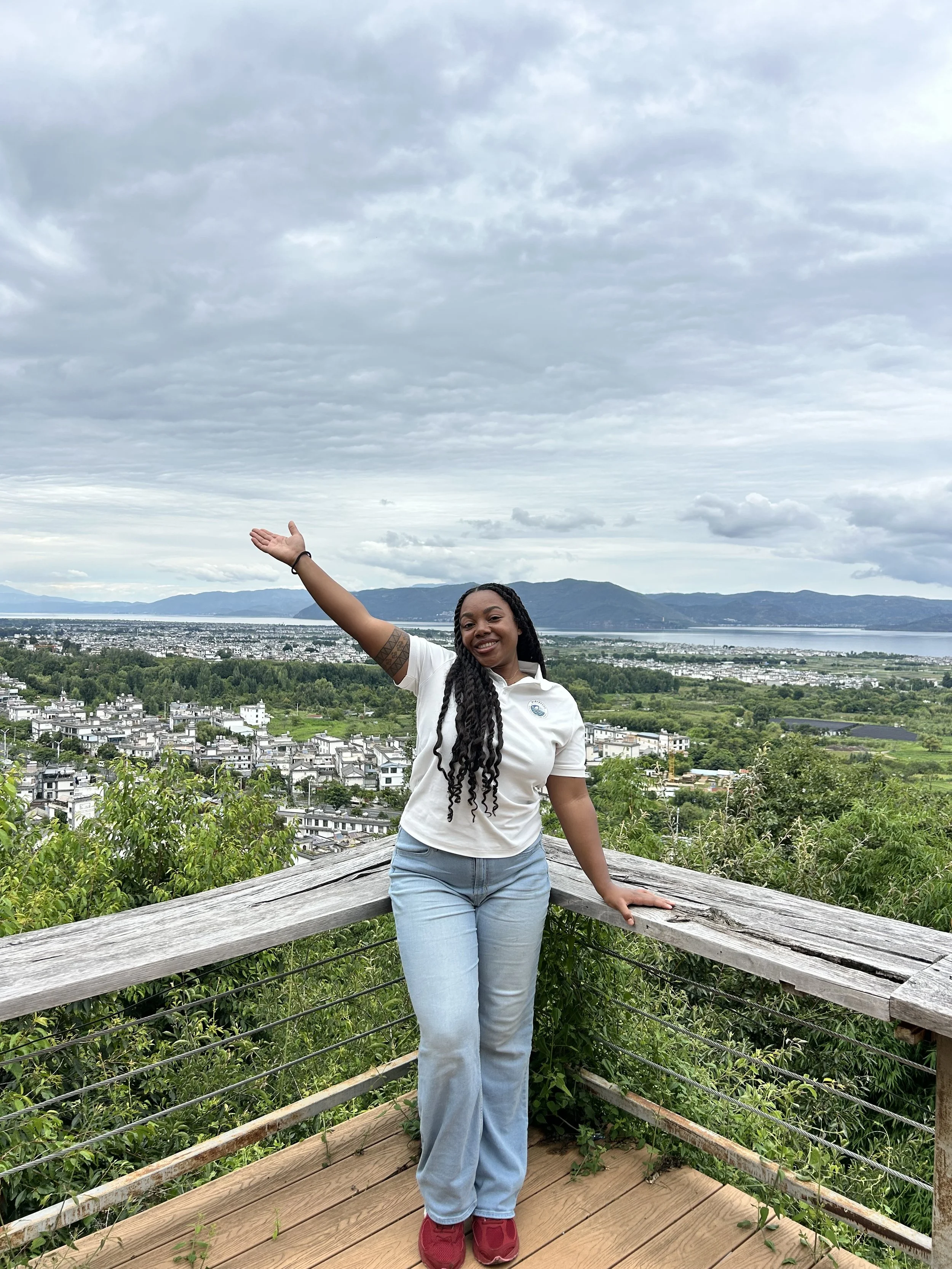
Throughout my studies in international relations, China was continuously positioned as a competitor and a nation whose people we needed to be cautious about interacting with. The nation's national security policy often overshadowed the people-to-people connections that allow diplomacy to function. As essential as those governmental functions are, I was eager to reach beyond the classroom and into the backyard of one of the most influential and culturally rich countries in the world.
Before entering university, I already had an extended relationship with the country: my family has served as a host family to Chinese high school students since 2019. For eight years and counting, I have lived and gone to school alongside Chinese kids from across China and gained a deep appreciation for the regions they've come from and the cultures they brought with them. Because of this longstanding exposure, I took an intensive Mandarin Chinese course during my undergraduate studies so I could better communicate with the diaspora and put the Chinese parents who often accompanied their kids when moving into our house more at ease. These experiences sparked a deeper interest in understanding China, which is exactly what the China America Student Conference (ChASC) helped me do.
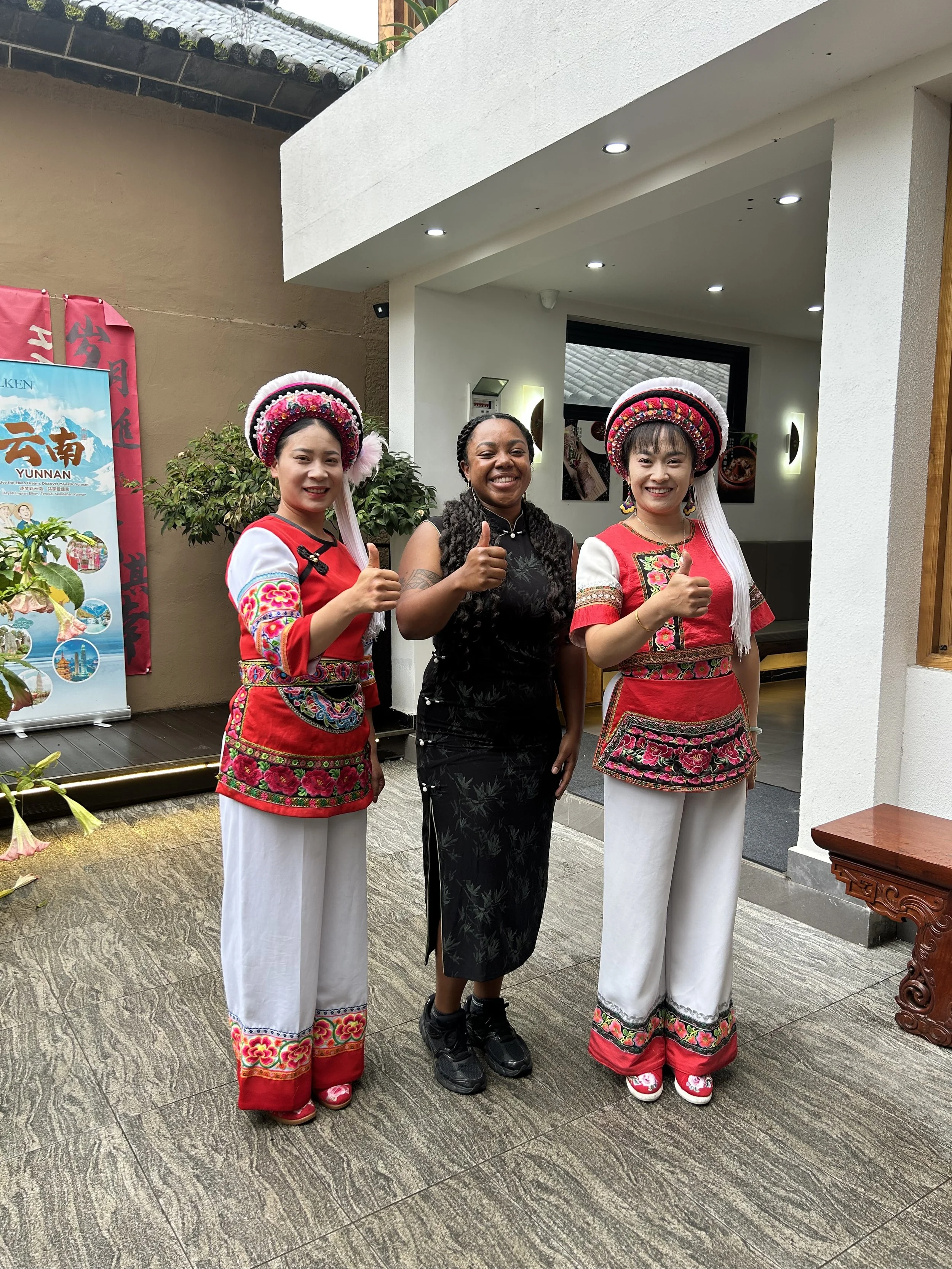
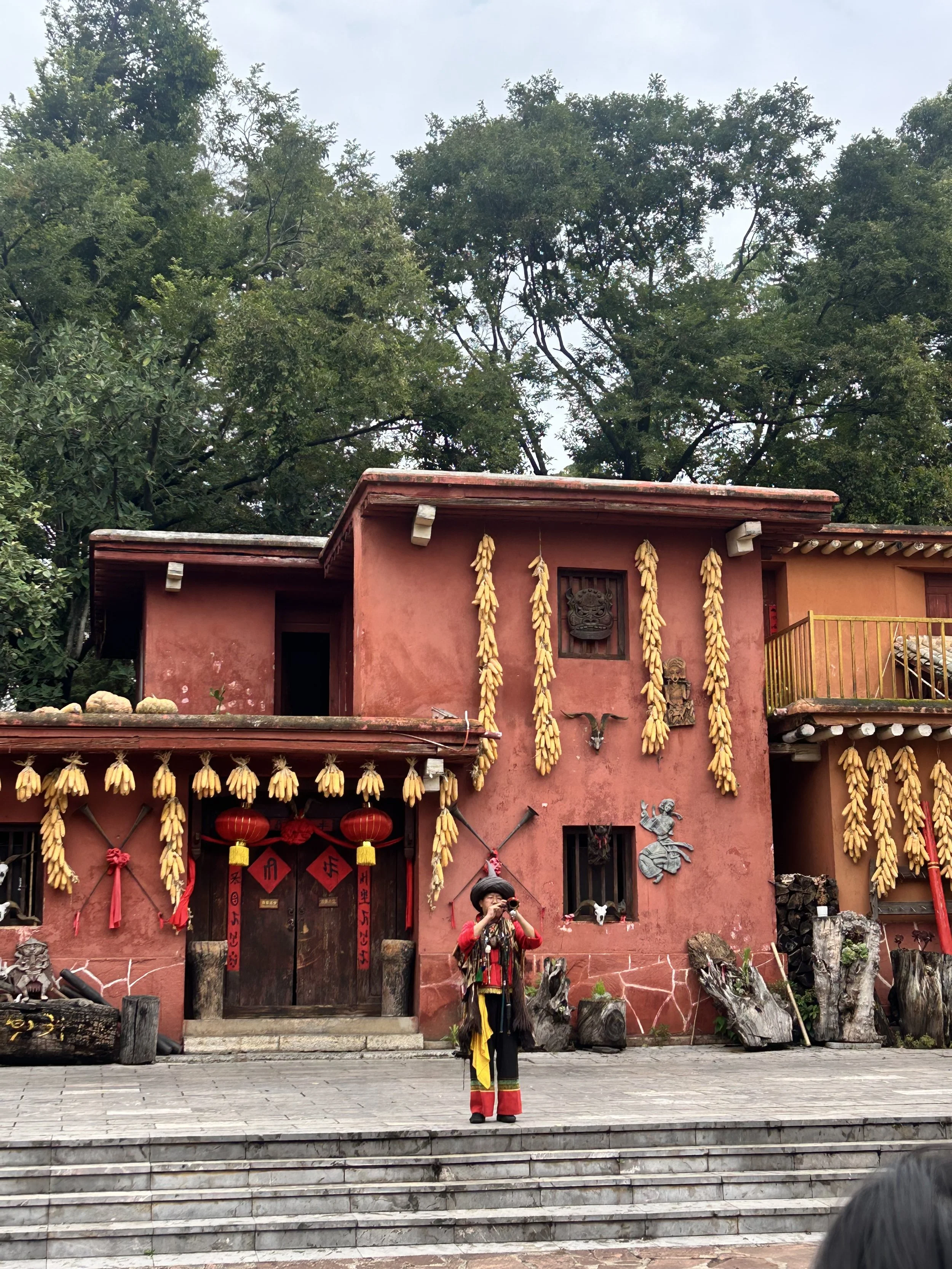
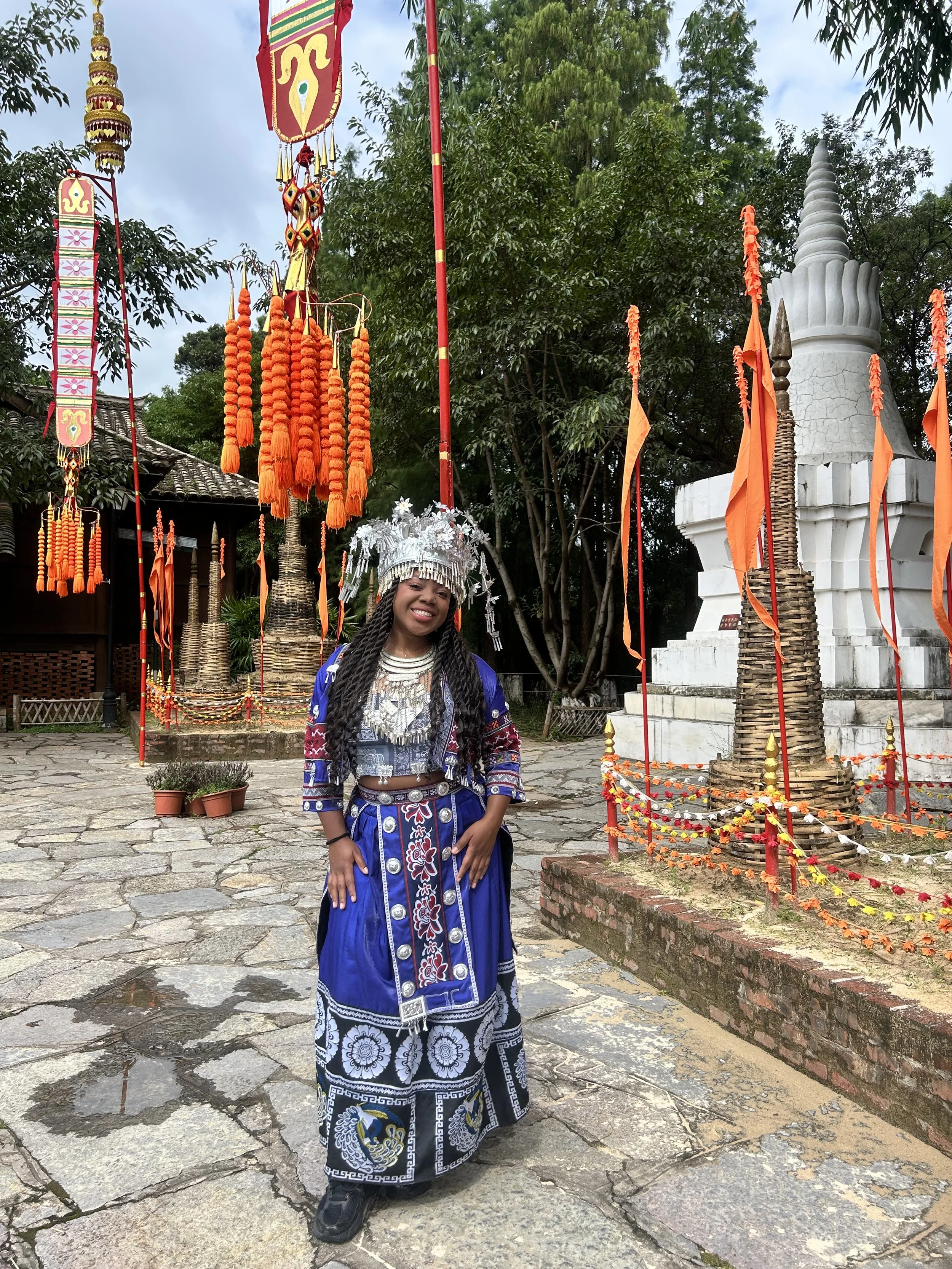
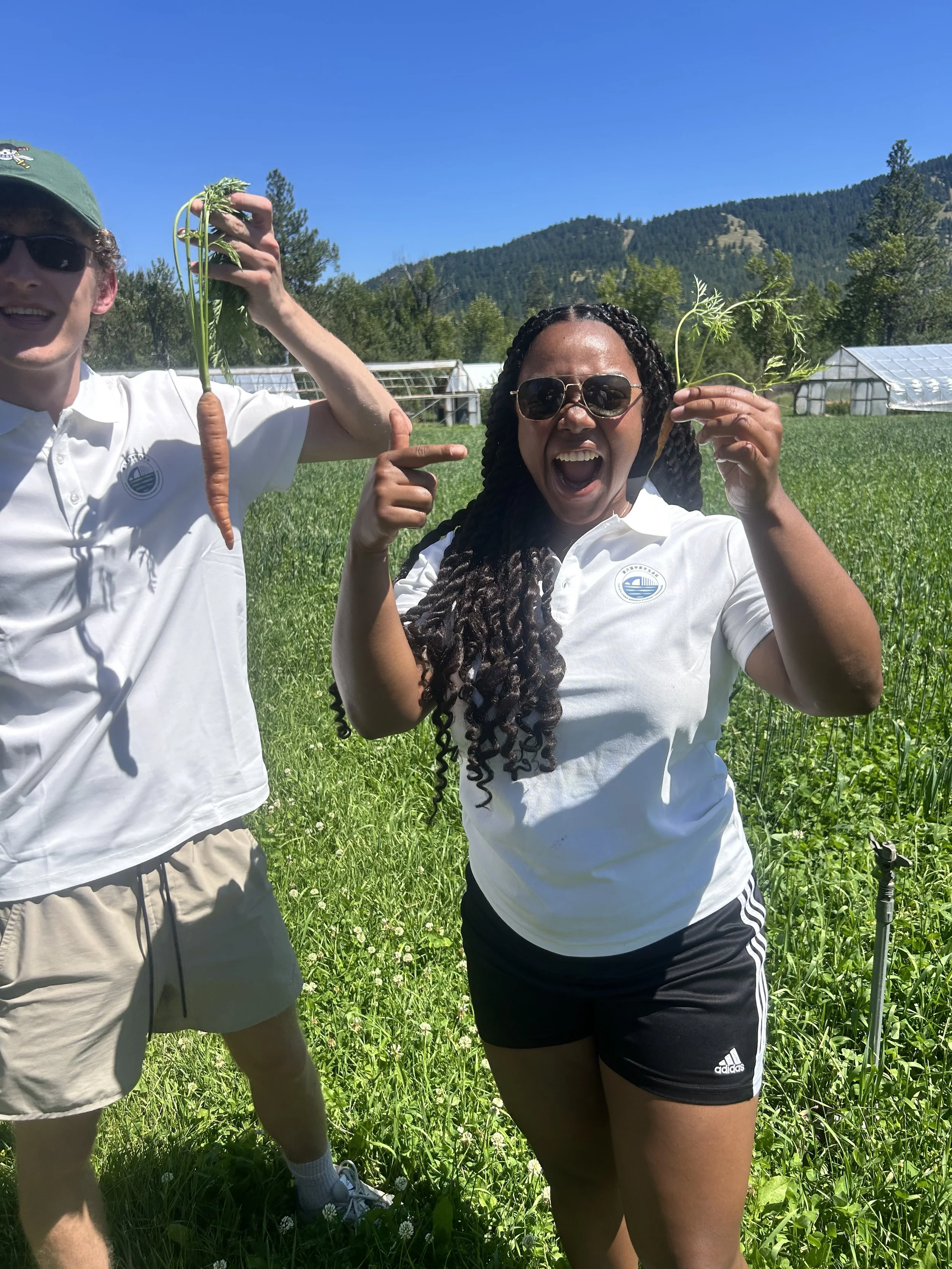
I'm extremely grateful to the Executive Committee for putting together activities, both academic and recreational, that spanned various industries and career fields. I gained a more nuanced view of my future career in diplomacy and foreign policy, and I was introduced to fields I'd known little about, such as indigenous governance in the U.S., ethnic-minority-centered tourism in China, rural farming's adaptations to climate change, and China's natural resources export power, among others.
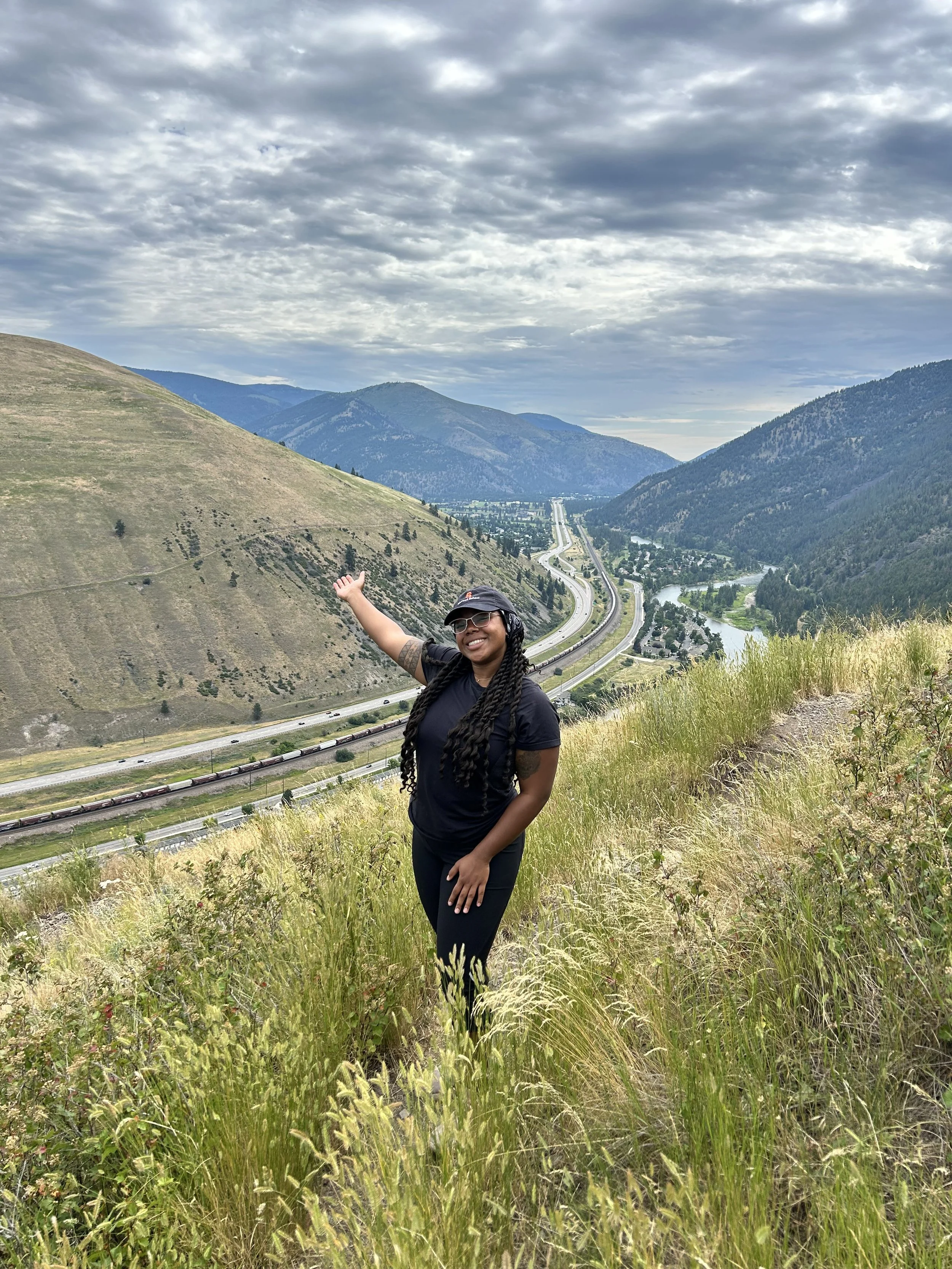
The most impactful part of ChASC 6's U.S. portion was our time in Montana. Before this program, I had never been to Montana, or the West more broadly; the farthest west I had been was Texas. I was blown away by the raw beauty of Montana; the mountains, the tranquility, and the slower pace of life showed me a side of the U.S. I had only ever seen in the media. Although the state itself was the highlight, I was especially fascinated by our visit to the Bison Range on the Flathead Indian Reservation and the rich cultures of the Salish and Kootenai tribes. Indigenous culture, history, and governance are areas I'm not well-versed in, so it was exciting to learn about their bison conservation and revitalization efforts. I'm deeply interested in the intersection of community development, wildlife conservation, and sustainability, so I found this visit and the tour our guide gave extremely insightful.
If Montana reshaped how I saw my own country, Beijing sharpened how I saw my future in it. The visit to the U.S. Embassy was another highlight; talking with State Department officials and foreign service officers made me realize that every step I take is bringing me closer to my dream of becoming a foreign service officer myself. Hearing about their career paths, their role in building bridges across cultures, and their thoughts on how vital cultural exchange programs are to diplomacy filled me with joy. This visit also helped me recognize areas I need to improve and skills I need to sharpen, not only as a future FSO, but as a better leader.
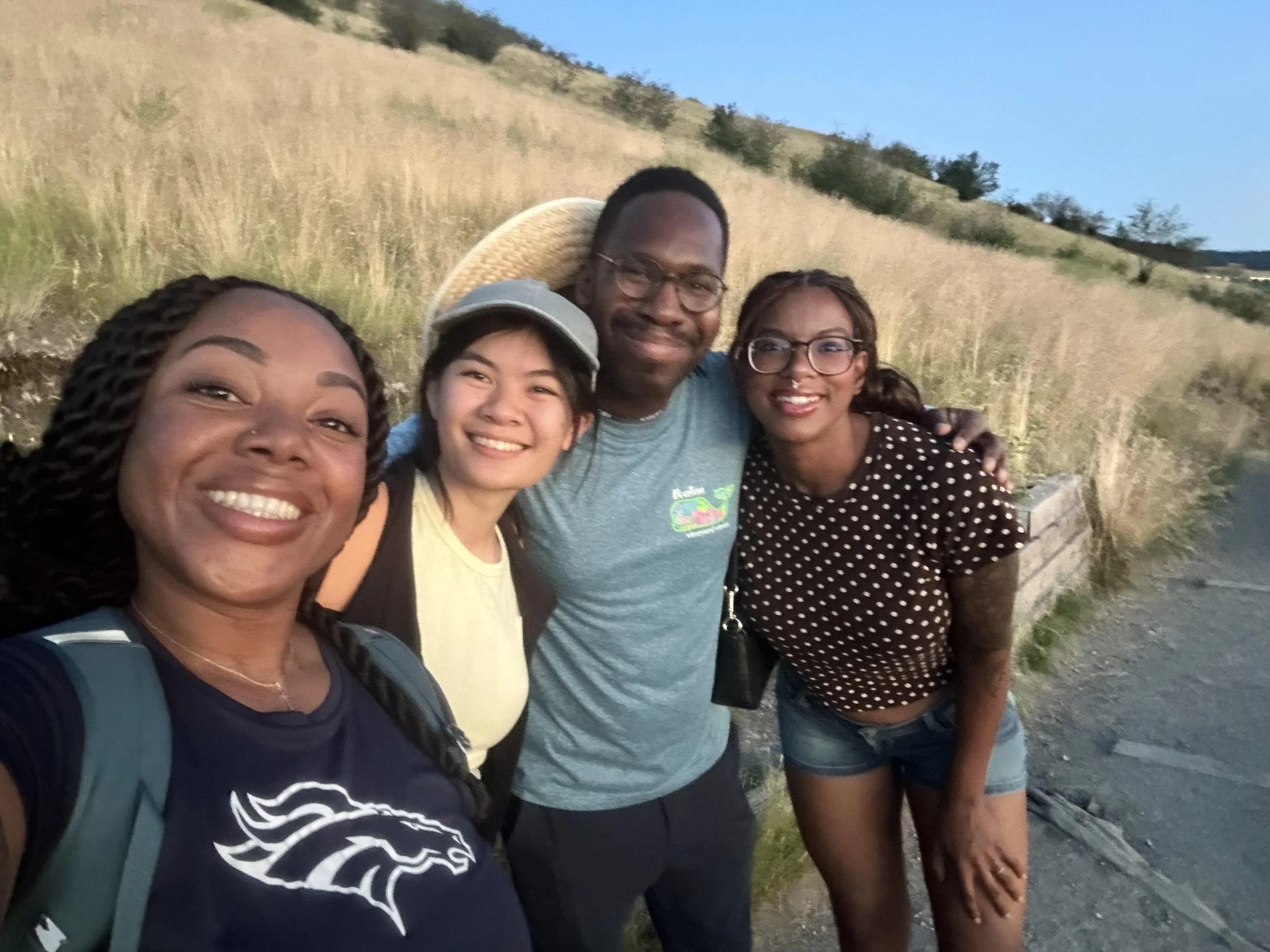
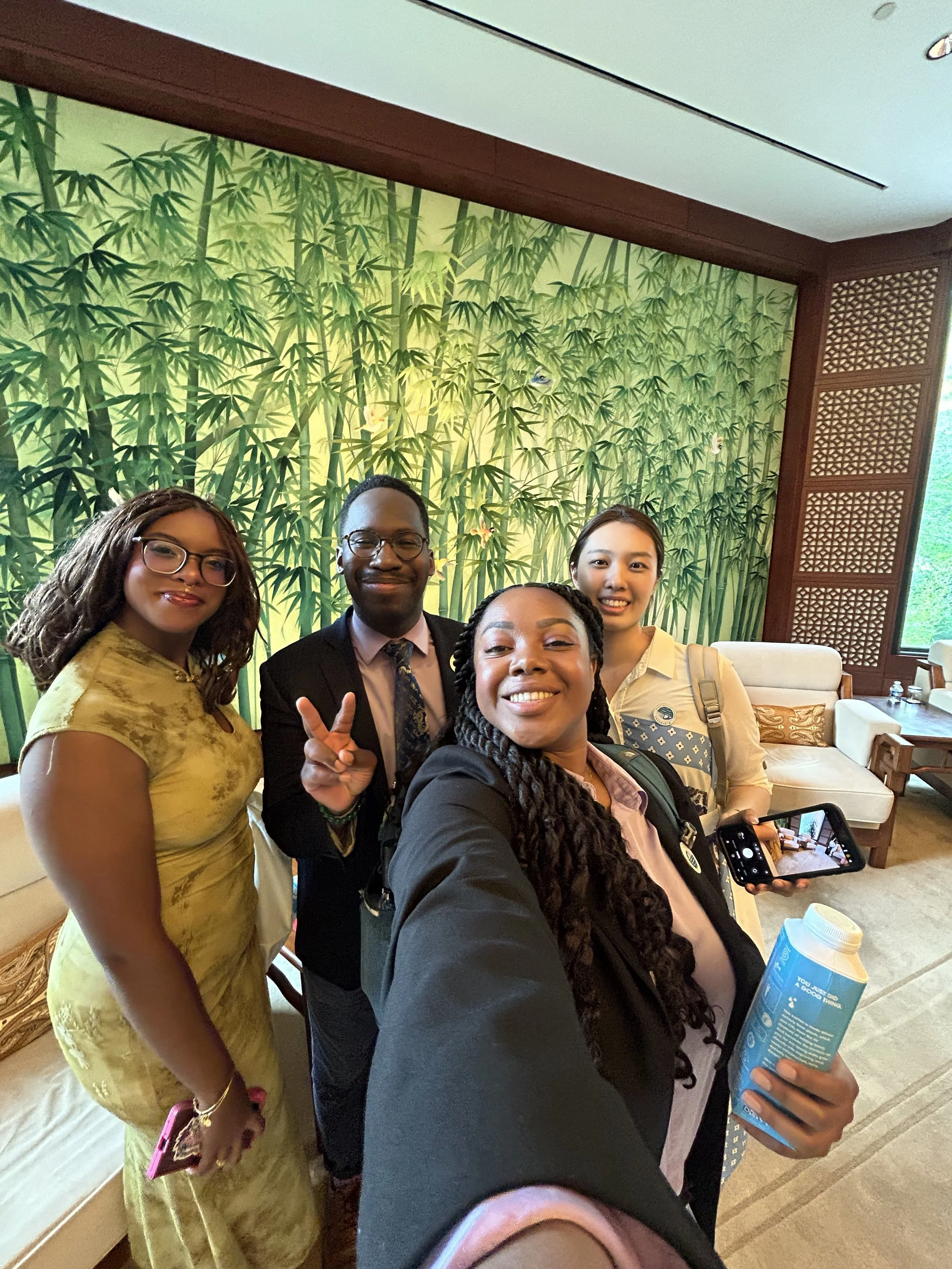
The sites were amazing, but the most valuable part of ChASC was what I learned directly from the people in it. My cohort mates taught me so much about their fields, their passions, and the issues they care about, making the program even richer. I learned from my friend Yiwen what successful woman-led entrepreneurship looks like. I learned from Yajing what dedication to sustainable agriculture and to aging farmers' livelihoods looks like. I learned from Zuming what effective local governance looks like in action.
Most importantly, this program taught me how to be a more effective listener, how to build trust across linguistic and cultural differences, and how to challenge my own way of thinking. Through that same lens, I realized how much we share in the challenges facing our generation. We talked about dissecting misinformation, rural communities and economic development, preserving the traditions of aging populations, the rising threat of climate change, and how to live in safe and prosperous environments. These conversations showed me how much we have to collaborate on and learn from each other, and that beyond the many differences between Chinese and U.S. culture, there was far more that united us than divided us. The depth of knowledge among my American peers also gave me real confidence in how strong the network and expertise in U.S.-China relations will soon be in high positions across the U.S.
Those conversations didn't just teach me facts; they reshaped how I think about the country itself. My perspective on the Chinese education system has shifted, along with my understanding of the everyday challenges Chinese citizens face, the country's ethnic diversity, and the ways we can share knowledge on issues that affect us all, like climate change.
Mutual understanding, I learned, goes both ways. I felt immense pride sharing my Caribbean heritage and African American history with my Chinese peers, showcasing a side of American culture's diversity they probably hadn't encountered before. They were widely receptive and deeply curious about my roots. Not everyone has the openness to challenge their own perspective and welcome in what was previously unknown, but this cohort demonstrated that capability in action. This same openness widened my understanding of China's own regions, from the far north bordering Russia to the southernmost areas closest to Taiwan. My previous knowledge of China was shaped almost entirely by the politics and culture coming out of Beijing, which misses the cultural diversity and unique character of the regions my Chinese friends actually call home.
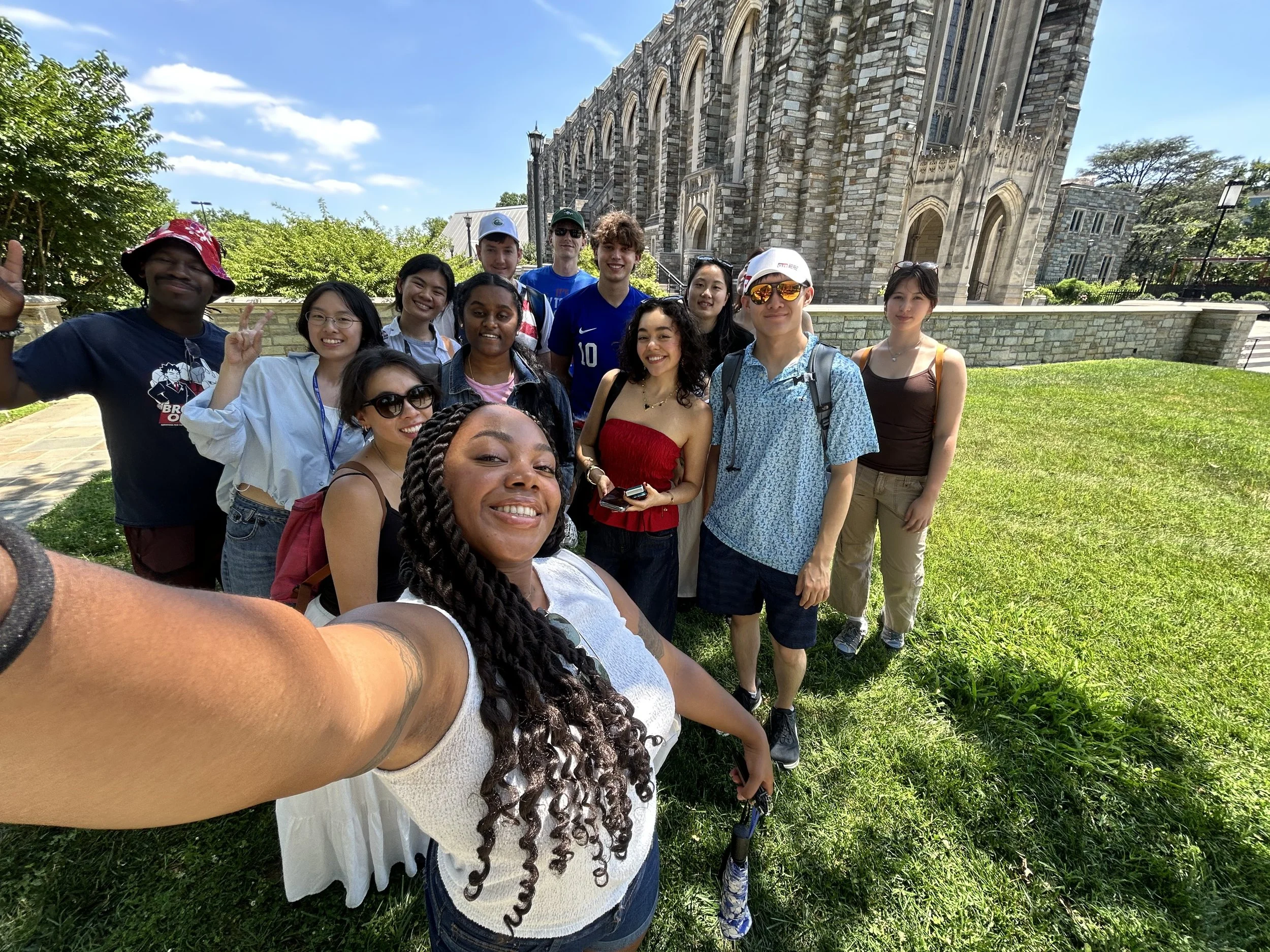
Sharing these spaces and experiences with Chinese and American university students gave me a deeply enriching academic experience, opened up new fields for further research, and left me with a far more nuanced view of a country I once only encountered through headlines and classroom debate. That shift in perspective is exactly why I'm not ready to stop here.
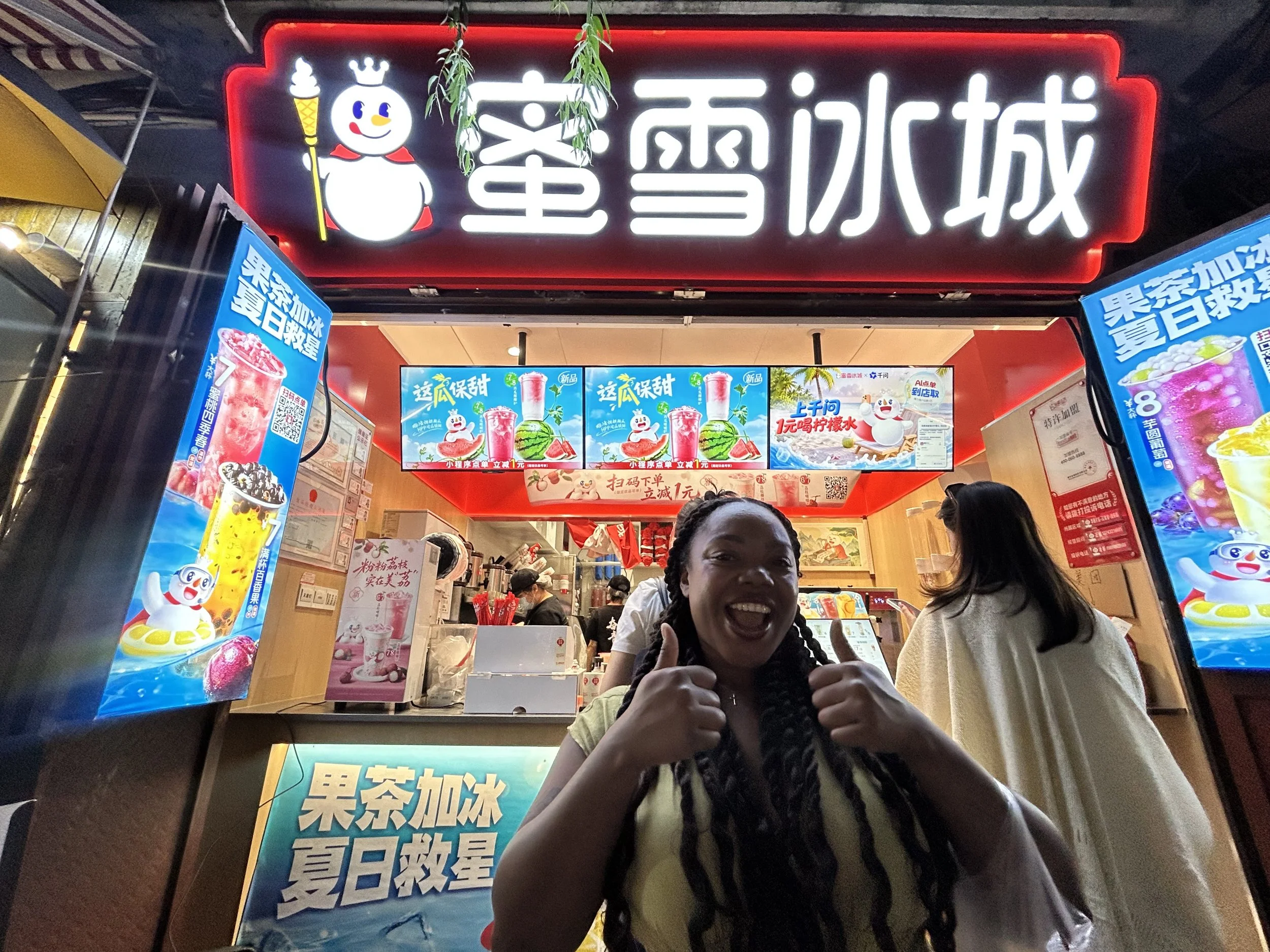
I'm eager to continue my engagement with China, as I believe this program was just the starting point of my on-the-ground connection to the country. One area of diplomacy I'd like to explore further is gastrodiplomacy, sharing my deeper interest in the country with peers by cooking traditional Chinese dishes I tried while there. On a slightly different note, I found the difference between Chinese American food and Chinese cuisine fascinating: Chinese American food has been adapted to cater to a predominant American palate. I was blown away by the culinary diversity and rich flavors of dishes I'd never had before. I believe food is a window to the soul, with the power to build understanding in ways words sometimes can't, and that belief fuels my passion for this form of diplomacy.
So I intend to cook more traditional Chinese food, stay connected to my peers from the program through regular calls, and hopefully start a Mandarin Chinese language program to connect more deeply with the country and build the language skills I need to form even stronger bonds. Watching my American peers interact with our Chinese friends in Mandarin, and the close bonds that grew out of it, was fascinating, and I hope to carry that same spirit into my own language-learning journey.
Beyond what I learned from my cohort, what I'll carry with me is simply how much I came to love them. I can genuinely say that everyone in my cohort, as well as the Executive Committee members, will be part of my future career journey and my life more broadly. We kayaked together, stayed up late talking, took part in academic simulations, and thoroughly enjoyed our time together as a group. By the end of the program, I was fighting back tears, deeply grateful for everyone I had met, both Chinese and American, and already looking forward to seeing them again. I know my American counterparts feel the same, and I'm grateful we're in the same country to be able to meet up in our respective states and continue ChASC 6's vision by building a lasting network and friendship with each other and our Chinese counterparts.
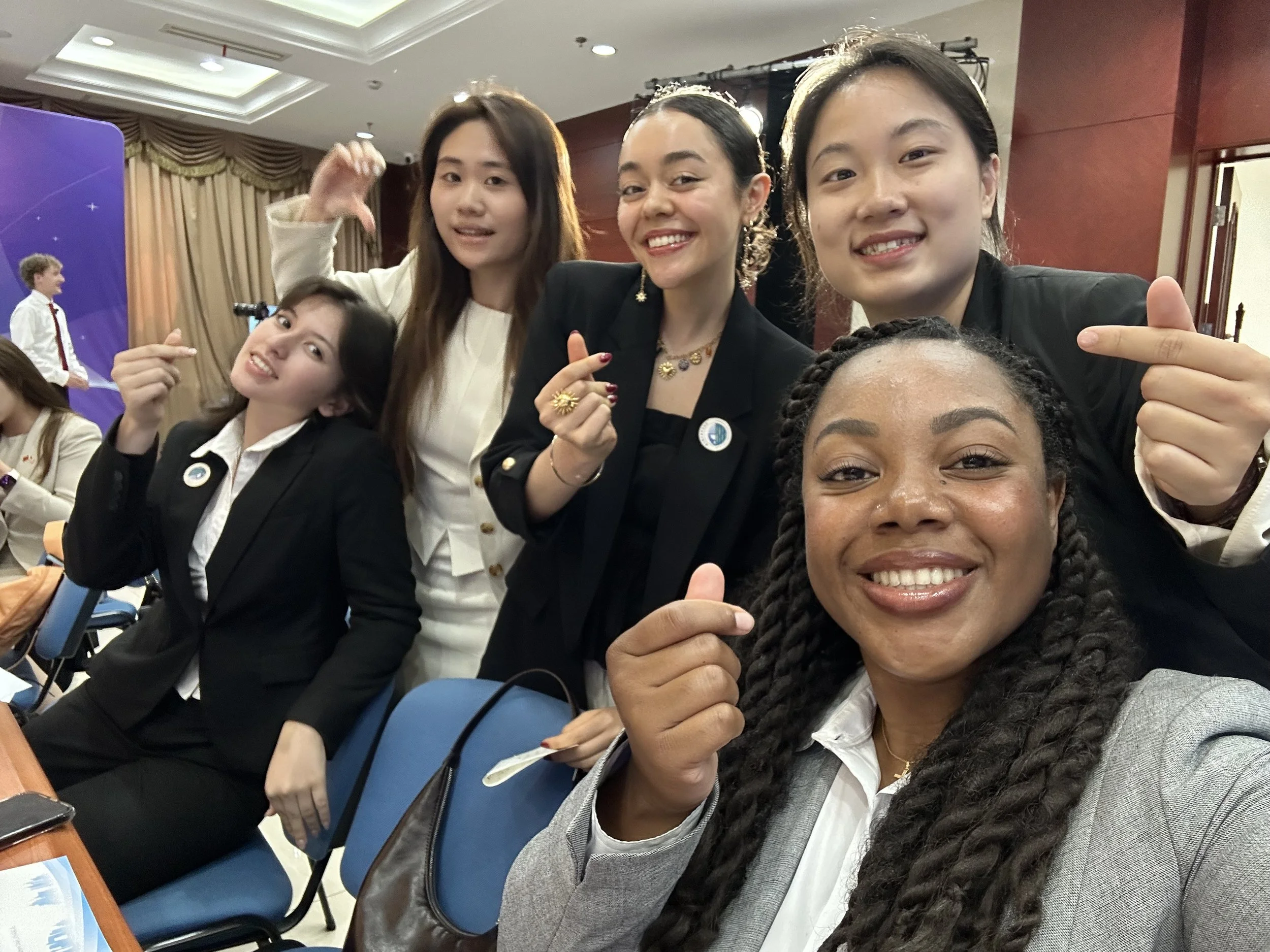
I truly wish I could go back in time and do the program all over again. In the moment, three weeks felt like a long stretch, but by the end I was astonished at how quickly the time had gone. ChASC 6 showed me sides of the U.S. and China I had never witnessed with my own eyes, and I'm grateful for the time and care the Executive Committee put into making this program so enriching and memorable. That's exactly why I wish everyone could experience the magic of this program and the power of students standing at the forefront of building diplomatic ties between our two countries. Going from hosting Chinese students to experiencing the vibrancy of Chinese culture through my peers was an experience like no other, and one I would highly recommend to any rising leader; it truly is an opportunity that will change your life for the better.